
T. Don Hutto Detention Facility: Private Prison for ICE In Texas
By James Larsen, Managing Attorney
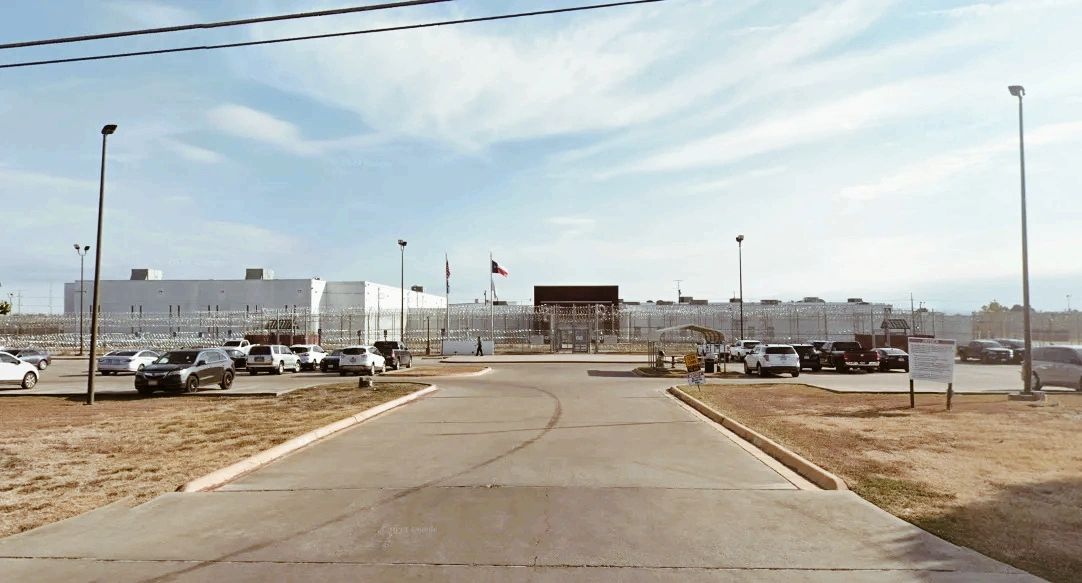
The T. Don Hutto Detention Facility in Taylor, Texas, has become a significant symbol in the ongoing debate about immigration detention, particularly when it comes to the role of private prison companies in the U.S. immigration system. Originally opened in 1997 as a medium-security prison, the facility was for a time operated by CoreCivic (formerly Corrections Corporation of America, or CCA) under a contract with Williamson County. It was later converted into an immigration detention center, housing individuals detained by U.S. Immigration and Customs Enforcement (ICE) while awaiting removal hearings or deportation.
The T. Don Hutto facility’s operation by a private company under a county contract raised important questions about the privatization of immigration detention and its legal and ethical implications. Over the years, the facility has remained central to discussions about immigration enforcement, legal representation, and the detention and removal process.
The Transition of T. Don Hutto: A Private Facility under County Contract
Although the T. Don Hutto Detention Facility was always a private facility, it operated under the auspices of a contract between CoreCivic and Williamson County. In 2006, ICE entered into an agreement with Williamson County to convert the facility into an immigration detention center. The new role of the facility was to house immigrant families, primarily those seeking asylum in the U.S.
However, as concerns grew about conditions in the facility—particularly regarding the detention of children and families—public pressure mounted to end the use of T. Don Hutto as an immigration detention center. In 2018, Williamson County made the decision to end its contract with ICE, citing concerns about the treatment of detainees.
Despite this local decision, ICE sought alternatives to continue the facility’s operation, leading to a series of short-term contracts with CoreCivic. In 2020, ICE signed a ten-year contract directly with CoreCivic to continue running the T. Don Hutto Detention Facility through 2030. This agreement effectively bypassed the county's decision and ensured the facility’s continued operation under private management.
Legal Relief and Navigating Immigration Court Proceedings
For individuals detained at T. Don Hutto, the process of seeking relief from removal or deportation can be complex and daunting. Immigration detainees have a variety of legal options, including bond proceedings, asylum claims, and cancellation of removal. Working with an experienced immigration attorney can make a significant difference in navigating these legal challenges.
Bond Proceedings: Challenging Detention and Securing Release
One of the primary ways detainees at T. Don Hutto may seek relief is through bond proceedings. Immigration bond hearings allow detainees to request their release from detention while awaiting their removal hearings. However, not all individuals are eligible for bond, particularly those who have been convicted of certain criminal offenses. For instance, individuals with aggravated felony convictions or crimes involving moral turpitude (CIMTs) may face mandatory detention and may not be eligible for bond.
Immigration attorneys can play a crucial role in challenging these detention decisions. By carefully analyzing an individual’s criminal history, attorneys can argue that certain convictions do not meet the criteria for aggravated felonies or CIMTs, helping detainees obtain bond and secure their release from detention.
Asylum: Seeking Protection in the U.S.
For many detained immigrants, applying for asylum offers a chance to remain in the U.S. Asylum is available to individuals who have fled their home countries due to a well-founded fear of persecution based on race, religion, nationality, membership in a particular social group, or political opinion. Individuals detained at T. Don Hutto can apply for asylum while in detention, although the process can be long and challenging.
Legal representation is essential in asylum cases, as experienced attorneys can assist detainees in building a strong case for asylum. The attorney’s role includes helping the individual present evidence of the persecution they fear and ensuring the case is presented effectively in immigration court.
Cancellation of Removal: A Path to Legal Residency
In some instances, individuals who have been in the U.S. for a long time may qualify for cancellation of removal, which provides a path to legal residency. To be eligible for cancellation of removal, an individual must have been in the U.S. for at least ten years, show good moral character, and demonstrate that their removal would cause exceptional and extremely unusual hardship to their U.S. citizen or lawful permanent resident family members.
Though the eligibility requirements for cancellation of removal are stringent, legal counsel can assist in presenting the strongest possible case by gathering necessary documentation and demonstrating the hardships the individual’s family would face in the event of their deportation.
Analyzing Criminal Convictions: The Impact on Immigration Relief
For many individuals detained at T. Don Hutto, criminal convictions can complicate their ability to seek relief from removal. Under immigration law, certain criminal offenses—such as aggravated felonies and CIMTs—can bar an individual from obtaining bond, asylum, or cancellation of removal.
However, not all criminal convictions result in automatic deportation. In some cases, experienced immigration attorneys can analyze the details of a criminal conviction and challenge its classification as an aggravated felony or CIMT. By doing so, attorneys can potentially help their clients obtain bond or secure other forms of relief.
The Role of Legal Support in Navigating Immigration Challenges
The complexities of immigration law and the detention system make it crucial for detainees at T. Don Hutto to have strong legal representation.
Despite the decision by Williamson County to end its contract with ICE in 2018, the T. Don Hutto Detention Facility will continue to operate under a direct contract between ICE and CoreCivic until 2030. This arrangement underscores the ongoing influence of private prison companies in the U.S. immigration detention system. As the debate around immigration policy and detention practices continues, legal advocacy remains essential for individuals held at facilities like T. Don Hutto.
If you or a loved one is detained and facing immigration proceedings, it is important to seek experienced legal representation.
Immigration law changes rapidly. This article is for informational purposes only, reflects the law as of its publication date, and may be superseded by later changes in the law, regulations or agency policy. It is not legal advice, and reading it does not create an attorney-client relationship.La ley de inmigración cambia rápidamente. Este artículo es solo para fines informativos, refleja la ley a la fecha de su publicación y puede quedar superado por cambios posteriores en la ley, las regulaciones o las políticas de las agencias. No es asesoría legal, y leerlo no crea una relación abogado-cliente.